How to Break Free from Wellness Myths and Build a Health Philosophy That Actually Works
If you’ve ever felt exhausted by the endless parade of wellness trends—the powders, the protocols, the influencers promising miracle fixes—you’re in the right place. Beneath the polished marketing and charismatic spokespeople lies a world where genuine health advice often gets buried under half-truths, clever sales tactics, and outright deception. Cutting through that noise starts with reclaiming your own ability to think critically, experiment honestly, and build a sustainable approach to well-being that serves you.
In this episode, I pull back the curtain on a journey that many people quietly undergo: the shift from chasing external answers to trusting your own informed awareness. I reflect on what it means to update your beliefs when better evidence appears, how to spot the difference between authentic guidance and performance, and why the simplest, most consistent practices often yield the most profound results. This conversation is an invitation to step out of the overwhelm and into a clearer, more grounded relationship with your health.
Key takeaways from this episode:
- Why changing your mind when the science changes is a strength worth embracing
- How to distinguish genuine wellness insights from polished “grifter” tactics
- The value of moving from mystical thinking to a science-informed, self-aware approach
- A simple method for testing what truly works for your body without expensive programs
- What authentic health looks like when you stop chasing shortcuts and start trusting your own experience
Whether you prefer to read or listen, the full conversation is ready for you. Press play below to hear the complete episode, or continue reading for the written discussion—either way, you’ll walk away with a clearer lens for navigating the crowded wellness landscape.
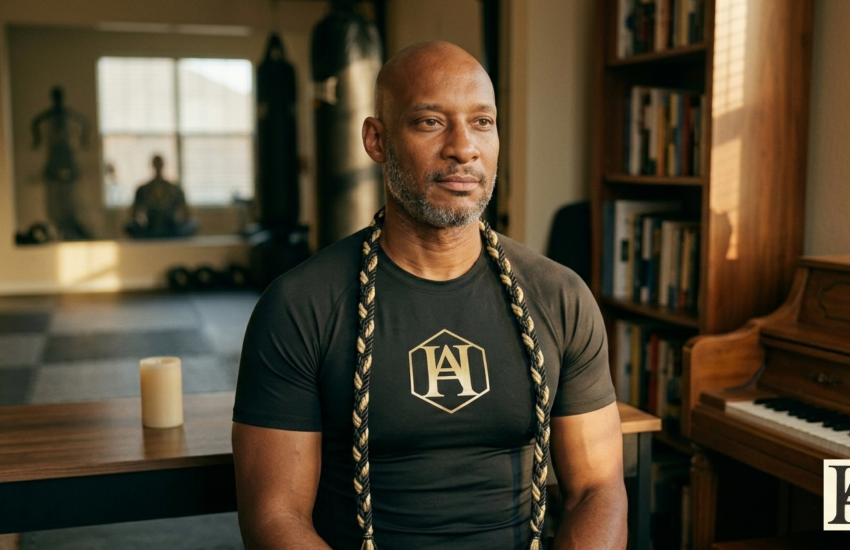
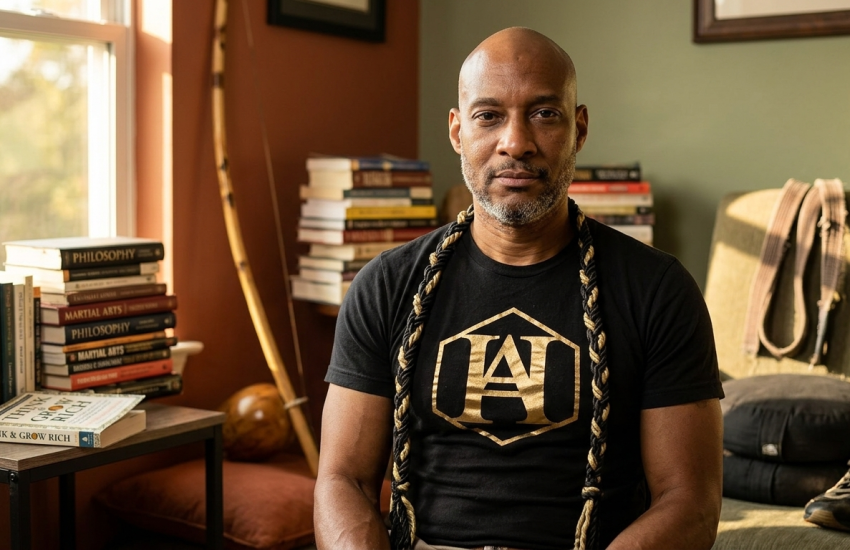
Listen to “How to Outgrow Wellness Myths and Build a Health Philosophy That Lasts” on Spreaker.This is a dense, stream-of-consciousness monologue from Dr. Hakeem Ali-Bocas Alexander. Here is a summary of the key themes and arguments he makes:
1. The Trigger: SG Carney’s Exposé
He is watching a long YouTube video titled “Liars, Cheaters and Thieves” by SG Carney, which exposes wellness scammers. A key point that resonates with him is Carney’s praise for Dr. Peter Attia’s willingness to change his views when science contradicts his past claims (e.g., on intermittent fasting). This concept of updating beliefs is central to Alexander’s current state of mind.
2. His Personal Journey: From Mysticism to Scientific Literacy
Alexander discusses his educational background, which includes a PhD from the University of Metaphysical Sciences (a mystical, “mystery school” style program) and training from the Hypnosis Motivation Institute (a mainstream, accredited institution).
He is currently in a process of “digging [himself] out” of the “nonsense and bs” he once believed. This journey began around 2004 with Brian Greene’s “The Elegant Universe” and accelerated through interactions with a friend from NASA’s JPL. He is now shedding superstitions and embracing scientific and mathematical literacy, while still valuing the broad exposure to different belief systems that his metaphysical education provided.
3. Critiques of “Grifting” and the Wellness Industry
He agrees with the video’s premise, expressing deep frustration with prominent figures who sell products they don’t believe in for profit. He cites specific examples:
- Deepak Chopra: He never resonated with him and feels validated by Chopra’s connection to Jeffrey Epstein.
- Western Yoga Culture: He critiques it as a “fake, airy-fairy woo-woo” front, heavily influenced by the cultish origins of “Breath of Fire” (Yogi Bhajan). He contrasts this with his own simple, breath-focused teaching style.
- Tim Ferriss and AG1 (Athletic Greens): He notes the expose’s claims about the product containing mold and lead, using it as an example of influencers promoting harmful products.
- Joe Rogan: He admits to having defended Rogan against racism accusations but now believes the exposé shows Rogan is a “grifter” who endorses things that aren’t true for money.
4. The Global “Brainwashing” Agenda
He argues that a system of “trickery devices” and “translogic” (temporary, transitional logic) is used to sell both bad products and, ironically, sometimes good philosophies. He uses the example of advertising slogans like “It’s not a shortcut, it’s science,” pointing out the logical fallacy. He believes this system forces people to seek “shortcuts” (like diet sodas, GLP-1 injections) that ultimately harm them more than the problems they’re trying to solve.
5. His Alternative: Simple, Self-Tested Health
He advocates for a non-prescriptive, self-aware approach he calls FAST (Food Awareness Subjective Testing) . He describes his own simple diet (plantain chips, greens, chicken meatballs) and how he experiments to find what works for him. His core principle is that “great health is the truest of all wealth” and is achieved through awareness, study, hard work, and discipline—not shortcuts.
6. Authenticity, Ethics, and Monetization
He distinguishes himself from the “grifters” by being transparent about his own evolution, refusing to hide his past beliefs. He is conflicted about running ads on his podcast but justifies it as a necessary means to fund his work, offering a $30/month “Supporters Club” as an ad-free alternative.
7. Final Thoughts on Values
He concludes by defining his version of “fun” and “life” as athletic longevity (doing pistol squats, tornado kicks) rather than partying, drinking, or consuming junk food. He emphasizes that he cannot “serve two masters”—he chooses health and self-control over temporary pleasures that compromise his physical abilities.
Overall: The monologue is a manifesto on his evolving philosophy. It contrasts his journey from a mystical worldview to a science-informed, evidence-based one while sharply criticizing the commercial wellness industry for exploiting people’s desires for quick fixes with dangerous misinformation.